
From Hustle to Health: How a Strengths-Based Culture Fuels Growth (and Wellbeing) for Entrepreneurs in 2026
- Mark Mathia

- Jan 19
- 5 min read
The "hustle harder" mentality is officially broken. After decades of glorifying 80-hour weeks and grinding through burnout, we're finally seeing the cracks in this unsustainable approach. The data is clear: entrepreneurs who double down on hustle culture are more likely to experience mental health challenges, higher turnover, and ironically: slower growth.
But here's what most business leaders miss: the alternative isn't working less. It's working smarter by building a strengths-based culture that amplifies what your people naturally do best.
As we move into 2026, the most successful entrepreneurs aren't the ones pushing harder: they're the ones who've cracked the code on aligning human potential with business results. They understand that sustainable growth comes from leveraging psychology, strategy, and energy in ways that feel natural rather than forced.
The Neuroscience Behind Why Strengths Matter
Your brain is literally wired for efficiency. When someone operates in their zone of strength, neural pathways fire faster and with less resistance. It's like the difference between swimming upstream versus floating downstream: both require movement, but one feels effortless while the other exhausts you.
Research in neuroscience shows that when people use their top strengths, their brains exhibit increased activity in the prefrontal cortex: the area responsible for higher-order thinking, creativity, and decision-making. This isn't just feel-good psychology; it's measurable brain function that directly impacts performance.
Tim Gallwey's principles from The Inner Game of Tennis align perfectly with this science. When we minimize self-interference and trust our natural abilities, we access what he calls "effortless concentration": a state where peak performance feels almost automatic.

The Gallup Data That Changes Everything
Let's talk numbers, because as entrepreneurs, we need proof that this approach actually drives business results.
According to Gallup's extensive research on strengths-based cultures:
Teams that focus on strengths are 12.5% more productive than those that don't
Organizations with strength-based cultures see 29% higher profits compared to traditional management approaches
Employee engagement increases by 73% when managers focus on strengths rather than weaknesses
Turnover decreases by up to 40% in strengths-focused environments
But here's the statistic that should make every resource-conscious entrepreneur pay attention: Companies with engaged workforces outperform peers by 147% in earnings per share.
For growing businesses operating with limited budgets, this isn't just nice-to-have data: it's a competitive advantage disguised as people strategy.
Breaking Down the ROI of Strengths-Based Culture
Retention Savings: If you're spending $15,000-$30,000 to replace each departing team member, a 40% reduction in turnover directly impacts your bottom line. For a 20-person team with typical 15% annual turnover, that's potentially $90,000 saved annually.
Productivity Gains: A 12.5% productivity increase across your team compounds quickly. If your team generates $2 million in annual revenue, that's an additional $250,000 in output without adding headcount.
Engagement ROI: The 73% boost in engagement translates to employees who solve problems proactively, collaborate more effectively, and require less management oversight: freeing you to focus on strategic growth rather than constant fire-fighting.

Practical Implementation: The Entrepreneur's Strengths Playbook
1. Start With a Rapid Strengths Audit
Don't overcomplicate this. Use tools like CliftonStrengths or the VIA Character Strengths Survey to map your team's natural talents. The goal isn't perfection: it's awareness.
Action Step: Schedule 30-minute strengths conversations with each team member. Ask three questions:
What work energizes you most?
When do you lose track of time in a good way?
What would you do more of if you had complete freedom?
2. Align Roles With Natural Wiring
This doesn't mean reshuffling your entire org chart overnight. Start small by adjusting responsibilities within existing roles.
Example: If someone has high analytical strengths but you've got them primarily in client-facing work, can you shift them toward data analysis, process optimization, or strategic planning tasks?
3. Design Strengths-Informed 1:1s
Transform your regular check-ins from status updates to strength-development conversations.
New Framework:
How did you use your top strengths this week?
Where did you feel most energized and effective?
What upcoming projects could leverage your strengths more fully?
4. Create Complementary Pairing
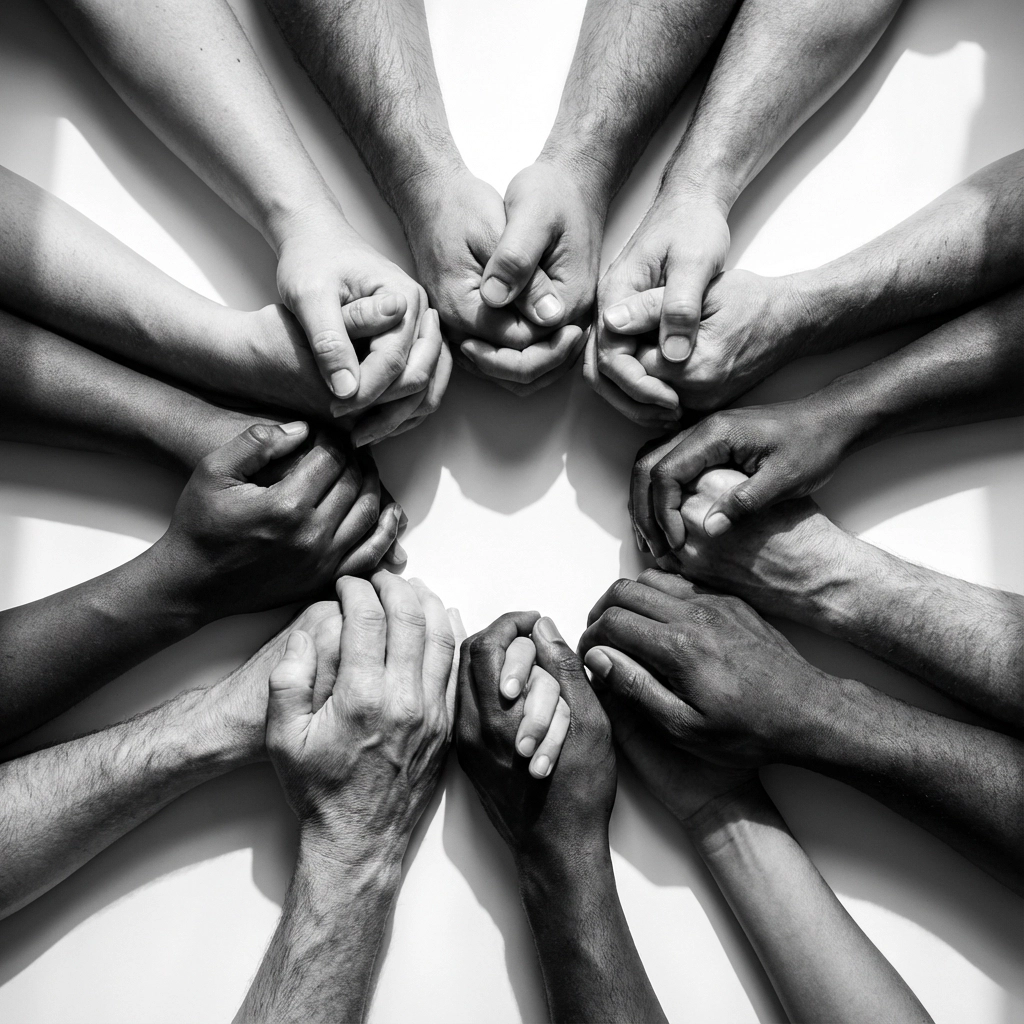
The magic happens when you intentionally pair people whose strengths complement each other. Someone high in strategic thinking paired with someone strong in execution. A natural relationship-builder working alongside a detail-oriented analyzer.
Implementation: Map major projects against required strengths, then build teams that cover all bases naturally rather than forcing individuals to be well-rounded.
5. Infuse Strengths Into Team Rituals
Weekly Team Meetings: Start each meeting by having someone share how they used their strengths to solve a recent challenge.
Project Kickoffs: Include a five-minute strengths inventory: who brings what natural talents to this initiative?
Recognition: Celebrate not just results, but how people achieved them using their unique strengths.
The Energy Management Revolution
Here's where most entrepreneurs get stuck: they understand strengths intellectually but fail to connect it to energy management. Your team's energy is both the gas that fuels performance and the gauge that tells you when systems need adjustment.
When people operate in their strengths, they generate energy rather than deplete it. It's the difference between a solar panel (strengths-based work) and a battery (forcing weaknesses): one creates sustainable power, the other eventually runs out.
Energy Audit Questions:
What work drains your team fastest?
Which tasks seem to energize people beyond what the work "should" require?
Where do you see natural flow states emerging?
Moving Beyond Individual Strengths to Cultural Transformation
The real breakthrough happens when strengths awareness becomes cultural DNA, not just individual development. This requires what John C. Maxwell calls "adding value to others": creating an environment where everyone's success depends on recognizing and developing the strengths around them.
Cultural Indicators You're Getting This Right:
Team members can name each other's top strengths
People proactively volunteer for tasks that match their natural wiring
Collaboration feels more natural and less forced
Innovation increases because people feel safe operating in their zone of genius

The 2026 Advantage: Strengths as Competitive Differentiation
As we move deeper into 2026, the organizations winning top talent aren't just offering competitive salaries: they're offering something more valuable: the chance to do your best work in ways that feel natural and energizing.
The entrepreneurs who build this into their culture early won't just survive the talent wars: they'll attract people who would never consider working for traditional hustle-culture companies.
This isn't about going soft or lowering standards. It's about applying what John Mark Comer teaches in The Ruthless Elimination of Hurry: working at a sustainable pace that actually produces better results than frantic urgency.
Your Next Move
The science is clear, the data is compelling, and the tools are available. The question isn't whether strengths-based culture works: it's whether you'll implement it before your competition does.
Start with one team member this week. Have that strengths conversation. Notice what energizes them. Begin aligning their work with their natural wiring. Then watch what happens to both their performance and their enthusiasm.
What's your experience? Have you noticed the connection between strengths and energy in your own work? Or are you still fighting the hustle-harder mentality? Drop your thoughts in the comments: I'd love to hear what's working (or not working) for you as you build your team culture.
The future belongs to leaders who understand that sustainable growth comes from amplifying human potential, not exhausting it. Your team is waiting for you to help them discover what they do best. The question is: are you ready to lead that transformation?
Comments